Editorial Book
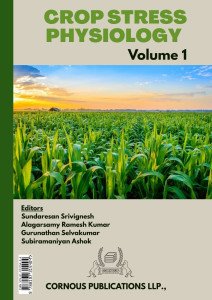
Book Title: Crop Stress Physiology (Volume 1)
PAID ACCESS | Published on : 29-May-2024 | Pages: 36-54 |
Integrated Molecular and Physiological Mechanism underlying plant stress tolerance
- M. C. Divyabharathi
- Department of Horticulture, Central University of Tamil Nadu, Neelakudi, Thiruvarur, Tamil Nadu, India.
- M Abishek
- Department of Microbiology, Central University of Tamil Nadu, Neelakudi, Thiruvarur, Tamil Nadu, India.
- Archana Devi E
- Department of Horticulture, Central University of Tamil Nadu, Neelakudi, Thiruvarur, Tamil Nadu, India.
- R Gokiladevi
- Department of Horticulture, Central University of Tamil Nadu, Neelakudi, Thiruvarur, Tamil Nadu, India.
- Srivignesh Sundaresan
- Department of Horticulture, Central University of Tamil Nadu, Neelakudi, Thiruvarur, Tamil Nadu, India.
Abstract
Plants are regularly exposing to fluctuating ecological variations which challenge their scaling, advancement, and efficiency. To survive and adapt, they have to evolve advanced mechanisms for stress perception, signal transduction, and downstream adaptive response. Stress signals are initially sensed at the cellular level transfer through membrane-bound receptors, receptor-like kinases, and ion channels, which trigger rapid intracellular signalling events. Reactive oxygen species (ROS) and calcium ions (Ca2+) are secondary messengers generate specific signalling signatures that are decoded by sensor proteins and kinase cascades. These early signals are further coordinated through complex phytohormonal networks involving jasmonic acid, ethylene, abscisic acid, and salicylic acid, allowing responses. Signal amplification and transmission are mediated by specified pathways such as (MAPK) Mitogen- activated protein kinase signalling modules transfer information to the nucleus, where they trigger transcription factors and large-scale reprogramming of gene expression. This leads to the synthesis of protective molecules, including osmolytes, antioxidants, molecular chaperons, and stress-associated proteins, which collectively maintain cellular homeostasis and structural integrity. In addition, epigenetic regulation and transcriptomic adjustments provide further layers of control, enabling both immediate and longer-term acclimation. The combination of these biochemical, molecular, and physiological processes forms a dynamic and interconnected network that enables crops to maintain growth and defense under adverse stress conditions. Understanding these dynamics paves the way for creating stress-tolerant varieties and advancing sustainable cultural practices during changing environmental challenges.
Keywords
Proteomics, stress-responsive proteins, post-translational modifications
References
Abdulraheem, M. I., Xiong, Y., Moshood, A. Y., Cadenas-Pliego, G., Zhang, H., & Hu, J. (2024). Mechanisms of plant epigenetic regulation in response to plant stress: Recent discoveries and implications. Plants, 13(2), 163. https://doi.org/10.3390/plants13020163
Aftab, T., Rehman, K., & Basis, M. (2022). Antioxidant defense in plants. Springer.
Aghaie, P., & Tafreshi, S. A. H. (2020). Central role of 70-kDa heat shock protein in adaptation of plants to drought stress. Cell Stress and Chaperones, 25(6), 1071–1081. https://doi.org/10.1007/s12192-020-01144-7
Ahmad, F., Latif, M. F., Luo, Y., & Huang, Y. (2022). Basis for using thioredoxin as an electron donor by Schizosaccharomyces pombe Gpx1 and Tpx1. AMB Express, 12, 41. https://doi.org/10.1186/s13568-022-01381-2
Akram, N. A., Shafiq, F., & Ashraf, M. (2017). Ascorbic acid: A potential oxidant scavenger and its role in plant development and abiotic stress tolerance. Frontiers in Plant Science, 8, 613. https://doi.org/10.3389/fpls.2017.00613
Alscher, R. G., Erturk, N., & Heath, L. S. (2002). Role of superoxide dismutases (SODs) in controlling oxidative stress in plants. Journal of Experimental Botany, 53, 1331–1341. https://doi.org/10.1093/jexbot/53.372.1331
Aoyama, K., & Nakaki, T. (2015). Glutathione in cellular redox homeostasis: Association with the excitatory amino acid carrier 1 (EAAC1). Molecules, 20, 8742–8758. https://doi.org/10.3390/molecules20058742
Ashapkin, V. V., Kutueva, L. I., Aleksandrushkina, N. I., & Vanyushin, B. F. (2020). Epigenetic mechanisms of plant adaptation to biotic and abiotic stresses. International Journal of Molecular Sciences, 21(20), 7457. https://doi.org/10.3390/ijms21207457
Bela, K., Horváth, E., Gallé, Á., Szabados, L., Tari, I., & Csiszár, J. (2015). Plant glutathione peroxidases: Emerging role of the antioxidant enzymes in plant development and stress responses. Journal of Plant Physiology, 176, 192–201. https://doi.org/10.1016/j.jplph.2014.12.014
Blokhina, O., & Fagerstedt, K. (2006). Oxidative stress and antioxidant defenses in plants. In Oxidative stress, disease and cancer (pp. 151–199). Imperial College Press. https://doi.org/10.1142/9781860948046_0004
Brown, A. J., Cowen, L. E., Di Pietro, A., & Quinn, J. (2017). Stress adaptation. Microbiology Spectrum, 5(4), 1–28. https://doi.org/10.1128/microbiolspec.FUNK-0048-2016
Chang, X., Xie, S., Wei, L., Lu, Z., Chen, Z. H., Chen, F., et al. (2020). Origins and stepwise expansion of R2R3-MYB transcription factors for the terrestrial adaptation of plants. Frontiers in Plant Science, 11, 575360. https://doi.org/10.3389/fpls.2020.575360
Chen, Z., & Gallie, D. R. (2006). Dehydroascorbate reductase affects leaf growth, development, and function. Plant Physiology, 142, 775–787. https://doi.org/10.1104/pp.106.085506
Chew, O., Whelan, J., & Millar, A. H. (2003). Molecular definition of the ascorbate-glutathione cycle in Arabidopsis mitochondria reveals dual targeting of antioxidant defenses in plants. Journal of Biological Chemistry, 278, 46869–46877. https://doi.org/10.1074/jbc.M307525200
Choudhary, S., Wani, K. I., Naeem, M., Khan, M. M. A., & Aftab, T. (2023). Cellular responses, osmotic adjustments, and role of osmolytes in providing salt stress resilience in higher plants: Polyamines and nitric oxide crosstalk. Journal of Plant Growth Regulation, 42(2), 539–553.
Cooper, G. M. (2000). Peroxisomes. In The cell: A molecular approach (2nd ed.). Sinauer Associates.
Darko, E., Végh, B., Khalil, R., Marček, T., Szalai, G., Pál, M., & Janda, T. (2019). Metabolic responses of wheat seedlings to osmotic stress induced by various osmolytes under iso-osmotic conditions. PLOS ONE, 14(12), e0226151. https://doi.org/10.1371/journal.pone.0226151
Debnath, T., Dhar, D. G., & Dhar, P. (2024). Molecular switches in plant stress adaptation. Molecular Biology Reports, 51(1), 20.
del Moral, L., Pérez-Vich, B., & Velasco, L. (2015). Tocopherols in sunflower seedlings under light and dark conditions. The Scientific World Journal, 2015, 146782. https://doi.org/10.1155/2015/146782
Dietz, K.-J. (2011). Peroxiredoxins in plants and cyanobacteria. Antioxidants & Redox Signaling, 15, 1129–1159. https://doi.org/10.1089/ars.2010.3657
Dziubek, D., Poeker, L., Siemitkowska, B., Graf, A., Marino, G., Alseekh, S., Arrivault, S., Fernie, A. R., Armbruster, U., & Geigenberger, P. (2023). NTRC and thioredoxins m1/m2 underpin the light acclimation of plants on proteome and metabolome levels. Plant Physiology, 194, 982–1005. https://doi.org/10.1093/plphys/kiad535
Farvardin, A., González-Hernández, A. I., Llorens, E., García-Agustín, P., Scalschi, L., & Vicedo, B. (2020). The apoplast: A key player in plant survival. Antioxidants, 9, 604. https://doi.org/10.3390/antiox9070604
Foyer, C. H., & Kunert, K. (2024). The ascorbate-glutathione cycle coming of age. Journal of Experimental Botany, 75, 2682–2699. https://doi.org/10.1093/jxb/erae023
Georgiou-Siafis, S. K., & Tsiftsoglou, A. S. (2023). The key role of GSH in keeping the redox balance in mammalian cells: Mechanisms and significance of GSH in detoxification via formation of conjugates. Antioxidants, 12, 1953. https://doi.org/10.3390/antiox12111953
Ghosh, U. K., Islam, M. N., Siddiqui, M. N., & Khan, M. A. R. (2021). Understanding the roles of osmolytes for acclimatizing plants to changing environment: A review of potential mechanism. Plant Signaling & Behavior, 16(8), 1913306. https://doi.org/10.1080/15592324.2021.1913306
Gong, B., Sun, S., Yan, Y., Jing, X., & Shi, Q. (2018). Glutathione metabolism and its function in higher plants adapting to stress. In Antioxidants and antioxidant enzymes in higher plants (pp. 181–205). Springer International Publishing.
Gull, A., Lone, A. A., & Wani, N. U. I. (2019). Biotic and abiotic stresses in plants. In Abiotic and biotic stress in plants. IntechOpen.
Hao, C., Zhan, X., Guo, N., Liu, J., & Cui, D. (2025). LEA proteins and ABA signaling: Reciprocal regulation in stress adaptation. Frontiers in Plant Science, 16, 1715223. https://doi.org/10.3389/fpls.2025.1715223
Hasanuzzaman, M., Bhuyan, M. H. M. B., Anee, T. I., Parvin, K., Nahar, K., Mahmud, J. A., & Fujita, M. (2019). Regulation of ascorbate-glutathione pathway in mitigating oxidative damage in plants under abiotic stress. Antioxidants, 8, 384. https://doi.org/10.3390/antiox8090384
Hasanuzzaman, M., Nahar, K., Anee, T. I., & Fujita, M. (2017). Glutathione in plants: Biosynthesis and physiological role in environmental stress tolerance. Physiology and Molecular Biology of Plants, 23, 249–268. https://doi.org/10.1007/s12298-017-0422-2
Havaux, M., & García-Plazaola, J. I. (2014). Beyond non-photochemical fluorescence quenching: The overlapping antioxidant functions of zeaxanthin and tocopherols. In B. Demmig-Adams, G. Garab, W. Adams III, & Govindjee (Eds.), Non-photochemical quenching and energy dissipation in plants, algae and cyanobacteria (pp. 583–603). Springer. https://doi.org/10.1007/978-94-017-9032-1_26
Hussain, F., & Usman, F. (2019). Fungal biotic stresses in plants and its control strategy. In Abiotic and biotic stress in plants (pp. 1–7).
Jacob, P., Hirt, H., & Bendahmane, A. (2017). The heat-shock protein/chaperone network and multiple stress resistance. Plant Biotechnology Journal, 15(4), 405–414. https://doi.org/10.1111/pbi.12659
Jagadish, S. K., Way, D. A., & Sharkey, T. D. (2021). Plant heat stress: Concepts directing future research. Plant, Cell & Environment, 44(7), 1992–2005. https://doi.org/10.1111/pce.14050
Jeyakumar, N., & Narayanasamy, B. (2024). Effect of natural antioxidants on oxidation stability of jackfruit seed oil (Artocarpus heterophyllus) biodiesel. Energy Sources, Part A: Recovery, Utilization, and Environmental Effects, 46, 6986–7002. https://doi.org/10.1080/15567036.2020.1746442
Jha, U. C., Nayyar, H., Jha, R., Khurshid, M., Zhou, M., Mantri, N., & Siddique, K. H. M. (2020). Long non-coding RNAs: Emerging players regulating plant abiotic stress response and adaptation. BMC Plant Biology, 20(1), 466.
Kesawat, M. S., Satheesh, N., Kherawat, B. S., Kumar, A., Kim, H.-U., Chung, S.-M., & Kumar, M. (2023). Regulation of reactive oxygen species during salt stress in plants and their crosstalk with other signaling molecules: Current perspectives and future directions. Plants, 12, 864. https://doi.org/10.3390/plants12040864
Kinoshita, T., & Seki, M. (2014). Epigenetic memory for stress response and adaptation in plants. Plant and Cell Physiology, 55(11), 1859–1863. https://doi.org/10.1093/pcp/pcu125
Kouhen, M., Dimitrova, A., Scippa, G. S., & Trupiano, D. (2023). The course of mechanical stress: Types, perception, and plant response. Biology, 12(2), 217. https://doi.org/10.3390/biology12020217
Kumar, P., Kumar, A., Agrawal, A., Bhusan, R., Kumar, S., Rehman, S., & Kumar, R. (2024). Osmolytes as stress sensors in plants: Acclimatizing plants under stress conditions. In Cellular osmolytes: From chaperoning protein folding to clinical perspectives (pp. 199–210). Springer Nature Singapore.
Lal, M. A., Kathpalia, R., Sisodia, R., & Shakya, R. (2018). Biotic stress. In Plant physiology, development and metabolism (pp. 1029–1095). Springer Nature Singapore.
Lamers, J., Van Der Meer, T., & Testerink, C. (2020). How plants sense and respond to stressful environments. Plant Physiology, 182(4), 1624–1635. https://doi.org/10.1104/pp.19.01464
Li, S. (2023). Novel insight into functions of ascorbate peroxidase in higher plants: More than a simple antioxidant enzyme. Redox Biology, 64, 102789. https://doi.org/10.1016/j.redox.2023.102789
Li, X., Liao, M., Huang, J., Chen, L., Huang, H., Wu, K., Pan, Q., Zhang, Z., & Peng, X. (2022). Dynamic and fluctuating generation of hydrogen peroxide via photorespiratory metabolic channeling in plants. The Plant Journal, 112, 1429–1446. https://doi.org/10.1111/tpj.16022
Liebthal, M., Maynard, D., & Dietz, K.-J. (2018). Peroxiredoxins and redox signaling in plants. Antioxidants & Redox Signaling, 28, 609–624. https://doi.org/10.1089/ars.2017.7164
Madhu, Kaur, A., Tyagi, S., Shumayla, Singh, K., & Upadhyay, S. K. (2022). Exploration of glutathione reductase for abiotic stress response in bread wheat (Triticum aestivum L.). Plant Cell Reports, 41, 639–654. https://doi.org/10.1007/s00299-021-02717-1
Manzoor, Z., Hassan, Z., Ul-Allah, S., Khan, A. A., Sattar, A., Shahzad, U., et al. (2022). Transcription factors involved in plant responses to heavy metal stress adaptation. In Plant perspectives to global climate changes (pp. 221–231). Academic Press. https://doi.org/10.1016/B978-0-323-85665-2.00021-2
Maslova, T. G., Markovskaya, E. F., & Slemnev, N. N. (2021). Functions of carotenoids in leaves of higher plants. Biology Bulletin Reviews, 11(5), 476–487.
Nahar, K., Hasanuzzaman, M., & Fujita, M. (2016). Roles of osmolytes in plant adaptation to drought and salinity. In Osmolytes and plants acclimation to changing environment: Emerging omics technologies (pp. 37–68). Springer India.
Navrot, N., Collin, V., Gualberto, J., Gelhaye, E., Hirasawa, M., Rey, P., Knaff, D. B., Issakidis, E., Jacquot, J.-P., & Rouhier, N. (2006). Plant glutathione peroxidases are functional peroxiredoxins distributed in several subcellular compartments and regulated during biotic and abiotic stresses. Plant Physiology, 142, 1364–1379. https://doi.org/10.1104/pp.106.089458
Nykiel, M., Gietler, M., Fidler, J., Prabucka, B., Rybarczyk-Płońska, A., Graska, J., et al. (2022). Signal transduction in cereal plants struggling with environmental stresses: From perception to response. Plants, 11(8), 1009. https://doi.org/10.3390/plants11081009
Pandey, A. K., & Gautam, A. (2020). Stress responsive gene regulation in relation to hydrogen sulfide in plants under abiotic stress. Physiologia Plantarum, 168(2), 511–525. https://doi.org/10.1111/ppl.13064
Pandey, G. K. (Ed.). (2017). Mechanism of plant hormone signaling under stress (Vol. 1). John Wiley & Sons.
Pandey, S., Fartyal, D., Agarwal, A., Shukla, T., James, D., Kaul, T., et al. (2017). Abiotic stress tolerance in plants: Myriad roles of ascorbate peroxidase. Frontiers in Plant Science, 8, 581. https://doi.org/10.3389/fpls.2017.00581
Pawłowicz, I., & Masajada, K. (2019). Aquaporins as a link between water relations and photosynthetic pathway in abiotic stress tolerance in plants. Gene, 687, 166–172. https://doi.org/10.1016/j.gene.2018.11.031
Prasad, A., Sett, S., & Prasad, M. (2022). Plant-virus-abiotic stress interactions: A complex interplay. Environmental and Experimental Botany, 199, 104869.
Priscilla, K., Sharma, V., Gautam, A., Gupta, P., Dagar, R., Kishore, V., & Kumar, R. (2024). Carotenoid extraction from plant tissues. In Methods in Molecular Biology (Vol. 2788, pp. 3–18). Humana Press. https://doi.org/10.1007/978-1-0716-3782-1_1
Qian, Z., He, L., & Li, F. (2024). Understanding cold stress response mechanisms in plants: An overview. Frontiers in Plant Science, 15, 1443317. https://doi.org/10.3389/fpls.2024.1443317
Rao, M. J., Duan, M., Zhou, C., Jiao, J., Cheng, P., Yang, L., Wei, W., Shen, Q., Ji, P., Yang, Y., Conteh, O., Yan, D., Yuan, H., Rauf, A., Ai, J., & Zheng, B. (2025). Antioxidant defense system in plants: Reactive oxygen species production, signaling, and scavenging during abiotic stress-induced oxidative damage. Horticulturae, 11, 477. https://doi.org/10.3390/horticulturae11050477
Saibi, W., & Brini, F. (2018). Superoxide dismutase (SOD) and abiotic stress tolerance in plants: An overview. In S. Magliozzi (Ed.), Superoxide dismutase: Structure, synthesis and applications (pp. 101–142).
Sattler, S. E., Gilliland, L. U., Magallanes-Lundback, M., Pollard, M., & DellaPenna, D. (2004). Vitamin E is essential for seed longevity and for preventing lipid peroxidation during germination. The Plant Cell, 16, 1419–1432. https://doi.org/10.1105/tpc.021360
Selinski, J., Frings, S., & Schmidt-Schippers, R. (2024). Perception and processing of stress signals by plant mitochondria. The Plant Journal, 120(6), 2337–2355. https://doi.org/10.1111/tpj.17133
Shanker, A., & Shanker, C. (Eds.). (2016). Abiotic and biotic stress in plants: Recent advances and future perspectives. IntechOpen.
Shin, S.-Y., Kim, I.-S., Kim, Y.-S., Lee, H., & Yoon, H.-S. (2013). Ectopic expression of Brassica rapa L. MDHAR increased tolerance to freezing stress by enhancing antioxidant systems of host plants. South African Journal of Botany, 88, 388–400. https://doi.org/10.1016/j.sajb.2013.08.015
Singh, M., Jyoti, Kumar, N., & Singh, H. (2024). Plant functional traits assisted crop adaptation to abiotic and biotic stress. In Plant functional traits for improving productivity (pp. 239–255). Springer Nature Singapore.
Suzuki, N. (2016). Hormone signaling pathways under stress combinations. Plant Signaling & Behavior, 11(11), e1247139. https://doi.org/10.1080/15592324.2016.1247139
Swapnil, P., Meena, M., Singh, S. K., Dhuldhaj, U. P., Harish, & Marwal, A. (2021). Vital roles of carotenoids in plants and humans to deteriorate stress with its structure, biosynthesis, metabolic engineering and functional aspects. Current Plant Biology, 26, 100203. https://doi.org/10.1016/j.cpb.2021.100203
Tak, Y., & Kumar, M. (2020). Phenolics: A key defence secondary metabolite to counter biotic stress. In Plant phenolics in sustainable agriculture (pp. 309–329). Springer. https://doi.org/10.1007/978-981-15-4890-1_13
Saxena, A., Lakshmi, J., Bhattacharjya, R., Singh, P. K., Mishra, B., & Tiwari, A. (2023). The role of antioxidant enzymes in diatoms and their therapeutic role. In Marine antioxidants (pp. 89–118). Academic Press. https://doi.org/10.1016/B978-0-323-95086-2.00019-9
Thiebaut, F., Hemerly, A. S., & Ferreira, P. C. G. (2019). A role for epigenetic regulation in the adaptation and stress responses of non-model plants. Frontiers in Plant Science, 10, 246. https://doi.org/10.3389/fpls.2019.00246
Tomar, A., Kumar, C., Parmar, K., Khan, N., Singh, R., Dwivedi, S. K., et al. (2026). Glutamine-driven nitrogen regulation and defense mechanisms in rice: Insights into signaling and stress adaptation. Journal of Plant Growth Regulation, 1–21.
Trenz, T. S., & Margis-Pinheiro, M. (2025). Decoding redox pathways in plants: Structural and functional comparison of peroxiredoxins and glutathione peroxidases. Plant Physiology and Biochemistry, 229, 110580. https://doi.org/10.1016/j.plaphy.2025.110580
Tyagi, S., Shumayla, Singh, S. P., & Upadhyay, S. K. (2019). Role of superoxide dismutases (SODs) in stress tolerance in plants. In Molecular approaches in plant biology and environmental challenges (pp. 51–77). Springer Singapore.
Uarrota, V. G., Stefen, D. L. V., Leolato, L. S., Gindri, D. M., & Nerling, D. (2018). Revisiting carotenoids and their role in plant stress responses: From biosynthesis to plant signaling mechanisms during stress. In Antioxidants and antioxidant enzymes in higher plants (pp. 207–232). Springer International Publishing.
Vieira Dos Santos, C., & Rey, P. (2006). Plant thioredoxins are key actors in the oxidative stress response. Trends in Plant Science, 11, 329–334. https://doi.org/10.1016/j.tplants.2006.05.005
Vítek, P., Mishra, K. B., Mishra, A., Veselá, B., Findurová, H., Svobodová, K., Oravec, M., Sahu, P. P., & Klem, K. (2022). Non-destructive insights into photosynthetic and photoprotective mechanisms in Arabidopsis thaliana grown under two light regimes. Spectrochimica Acta Part A: Molecular and Biomolecular Spectroscopy, 281, 121531. https://doi.org/10.1016/j.saa.2022.121531
Vuleta, A., Jovanović, S. M., & Tucić, B. (2016). Adaptive flexibility of enzymatic antioxidants SOD, APX and CAT to high light stress: The clonal perennial monocot Iris pumila as a study case. Plant Physiology and Biochemistry, 100, 166–173. https://doi.org/10.1016/j.plaphy.2016.01.011
Wang, X., Hu, Y., Dong, Y., Zhang, L., & Wang, B. (2025). Abiotic stress-regulated LEA gene mediates the response to drought, salinity, and cold stress in Medicago sativa L. Plant and Cell Physiology, 66(5), 781–796. https://doi.org/10.1093/pcp/pcaf020
Wang, Y., Branicky, R., Noë, A., & Hekimi, S. (2018). Superoxide dismutases: Dual roles in controlling ROS damage and regulating ROS signaling. Journal of Cell Biology, 217, 1915–1928. https://doi.org/10.1083/jcb.201708007
Xiao, M., Li, Z., Zhu, L., Wang, J., Zhang, B., Zheng, F., et al. (2021). The multiple roles of ascorbate in the abiotic stress response of plants: Antioxidant, cofactor, and regulator. Frontiers in Plant Science, 12, 598173. https://doi.org/10.3389/fpls.2021.598173
Yang, H.-L., Zhao, Y.-R., Wang, C.-L., Yang, Z.-L., Zeng, Q.-Y., & Lu, H. (2009). Molecular characterization of a dehydroascorbate reductase from Pinus bungeana. Journal of Integrative Plant Biology, 51, 993–1001. https://doi.org/10.1111/j.1744-7909.2009.00848.x
Yousuf, P. Y., Hakeem, K. U. R., & Chandna, R. (2012). Role of glutathione reductase in plant abiotic stress. In P. Ahmad & M. N. V. Prasad (Eds.), Abiotic stress responses in plants: Metabolism, productivity and sustainability (pp. 149–158). Springer. https://doi.org/10.1007/978-1-4614-0634-1_8
Yu, W., Kong, G., Ya, H., He, L., Wu, Y., & Zhang, H. (2023). Comprehensive analysis of the catalase (CAT) gene family and expression patterns in rubber tree (Hevea brasiliensis) under various abiotic stresses and multiple hormone treatments. International Journal of Molecular Sciences, 25(1), 70. https://doi.org/10.3390/ijms25010070
Zechmann, B. (2014). Compartment-specific importance of glutathione during abiotic and biotic stress. Frontiers in Plant Science, 5, 566. https://doi.org/10.3389/fpls.2014.00566
Zhang, C., Jiao, C., Sun, X., & Li, X. (2023). A MYB transcription factor atlas provides insights into the evolution of environmental adaptations in plants. International Journal of Molecular Sciences, 24(3), 2566. https://doi.org/10.3390/ijms24032566
Zhang, Q., Shi, Y., Zhang, X., Liang, S., Xu, H., Quan, W., Zhong, C., & Ding, Y. (2025). The mechanisms and therapeutic applications of phenolic acids in vascular cognitive impairment: A comprehensive review. Current Molecular Pharmacology, 18, 32–47. https://doi.org/10.1016/j.cmp.2025.09.002.
Indexing In




Types of Books We Publish




Uniqueness of our Publication

DOI Assignment

ISBN Registration

Online Publication

High Visibility

Open & Closed Access
DOI Assignment
ISBN Registration
Online Publication
High Visibility