Editorial Book
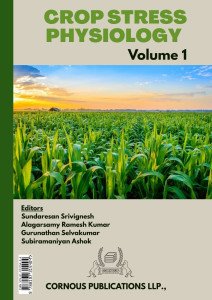
Book Title: Crop Stress Physiology (Volume 1)
PAID ACCESS | Published on : 09-Aug-2024 | Pages: 88-105 |
Emerging bio-stimulants and signaling molecules in sustainable plant stress management
- Indian G
- Department of Horticulture, School of Life Science, Central University of Tamil Nadu, Thiruvarur, Tamil Nadu, India.
- Subramanian Manivannan
- Department of Horticulture, School of Life Science, Central University of Tamil Nadu, Thiruvarur, Tamil Nadu, India.
- Chithra M
- Department of Agriculture and School of Life Sciences, Gandhigram Rural Institute, Dindigul, Tamil Nadu. India.
- Srivignesh Sundaresan
- Department of Horticulture, School of Life Science, Central University of Tamil Nadu, Thiruvarur, Tamil Nadu, India.
- M. P. Ellampirai
- Department of Horticulture, School of Life Science, Central University of Tamil Nadu, Thiruvarur, Tamil Nadu, India.
Abstract
Plant productivity and agricultural sustainability are under increasing threat from various biotic and abiotic stresses, including salinity, drought, heat, cold, heavy metal toxicity, and pathogen attack. Conventional agricultural practices relying on synthetic agrochemicals are often associated with environmental degradation and decreased ecosystem sustainability. In this regard, biostimulants and plant signaling molecules have emerged as promising sustainable tools for enhancing plant growth, stress tolerance and crop productivity. Biostimulants are microbial and non-microbial formulations like plant growth-promoting rhizobacteria, mycorrhizal fungi, seaweed extracts, humic substances, protein hydrolysates, silicon, and chitosan that enhance plant resilience through several physiological, biochemical, and molecular mechanisms. Signalling molecules such as melatonin, nitric oxide, hydrogen sulfide, salicylic acid, jasmonic acid, and abscisic acid also play a role in regulating plant stress responses by modulating antioxidant defence systems, osmolyte accumulation, hormonal crosstalk, and stress-responsive gene expression. This chapter provides an overview of novel classes of biostimulants and signaling molecules, their mode of action in plant stress management and their potential to be integrated in sustainable and climate-resilient agricultural systems. The future outlook on precision biostimulants, nano-enabled formulations, microbiome engineering and omics-assisted stress management is also highlighted.
Keywords
Biotic, Abiotic, Breeding methods, Stress tolerance
References
Agarwal, P., Patel, K., Das, A. K., et al. (2016). Insights into the role of seaweed Kappaphycus alvarezii sap towards phytohormone signalling and regulating defence responsive genes in Lycopersicon esculentum. Journal of Applied Phycology, 28(4), 2529–2537. https://doi.org/10.1007/s10811-015-0784-1
Akensous, F. Z., Anli, M., & Meddich, A. (2022). Biostimulants as innovative tools to boost date palm (Phoenix dactylifera L.) performance under drought, salinity, and heavy metal(s) stresses: A concise review. Sustainability, 14(23), 15984. https://doi.org/10.3390/su142315984
Alghamdi, S.A. (2024). Drought and salinity effects on plant growth: A comprehensive review. SABRAO Journal of Breeding and Genetics, 56(6): 2331–2340. http://doi.org/10.54910/sabrao2024.56.6.14
Ali, O., Ramsubhag, A., & Jayaraman, J. (2021). Biostimulant properties of seaweed extracts in plants: Implications towards sustainable crop production. Plants, 10(3), 531.
Alkarawi, H. H. (2025). The effect of integrating nano-formulated iron and zinc chelates and bio-fertilizer on some vegetative growth and yield characteristics of soybean (Glycine max (L.) Merrill). Pakistan Journal of Agricultural Sciences, 62(4), 717–728.
Balfagón, D., Gómez-Cadenas, A., Rambla, J. L., Granell, A., De Ollas, C., Mittler, R., et al. (2021). GABA plays a key role in plant acclimation to a combination of high light and heat stress. Environmental and Experimental Botany, 14. https://doi.org/10.1101/2021.02.13.431103
Baluška, F., Mukherjee, S., & Ramakrishna, A. (2020). Neurotransmitters in plant signaling and communication. Springer. https://doi.org/10.1007/978-3-030-54478-2
Baweja, P., Kumar, S. and Kumar, G. (2020). Fertilizers and Pesticides: Their Impact on Soil Health and Environment. In: Giri, B. and Varma, A. (eds) Soil Health. Soil Biology, vol. 59. Springer, Cham. pp. 265–285
Bulgari, R., Franzoni, G., & Ferrante, A. (2019). Biostimulants application in horticultural crops under abiotic stress conditions. Agronomy, 9(6), 306. https://doi.org/10.3390/agronomy9060306
Cai, K., Gao, D., Luo, S., Zeng, R., Yang, J., & Zhu, X. (2008). Physiological and cytological mechanisms of silicon-induced resistance in rice against blast disease. Physiologia Plantarum, 134, 324–333. https://doi.org/10.1111/j.1399-3054.2008.01134.x
Caijiao, C., Leshan, H., Mengke, Y., et al. (2021). Comparative studies on antioxidant, angiotensin-converting enzyme inhibitory and anticoagulant activities of the methanol extracts from two brown algae (Sargassum horneri and Sargassum thunbergii). Russian Journal of Marine Biology, 47(5), 380–387. https://doi.org/10.1134/S1063074021050035
Cassel, J. L., Maldaner, L. V. C., Bortoluzzi, M. P., Colla, L. M., Reichert Junior, F. W., Palencia, P., & Chiomento, J. L. T. (2025). Biostimulants as a tool for mitigating water deficit stress in strawberry cultivation. Agronomy, 15(11), 2643. https://doi.org/10.3390/agronomy15112643
Cha, J. Y., Kang, S. H., Ali, I., Lee, S. C., Ji, M. G., Jeong, S. Y., et al. (2020). Humic acid enhances heat stress tolerance via transcriptional activation of heat-shock proteins in Arabidopsis. Scientific Reports, 10, 15042. https://doi.org/10.1038/s41598-020-71701-8
Chojnacka, K. (2015). Innovative bio-products for agriculture. Open Chemistry, 12(12), 932–993. https://doi.org/10.1515/chem-2015-0103
Colla, G., Cardarelli, M., Bonini, P., & Rouphael, Y. (2017). Foliar applications of protein hydrolysate, plant and seaweed extracts increase yield but differentially modulate fruit quality of greenhouse tomato. HortScience, 52(9), 1214–1220. https://doi.org/10.21273/HORTSCI12200-17
De Corato, U., Salimbeni, R., De Pretis, A., et al. (2017). Antifungal activity of crude extracts from brown and red seaweeds by a supercritical carbon dioxide technique against fruit postharvest fungal diseases. Postharvest Biology and Technology, 131, 16–30. https://doi.org/10.1016/j.postharvbio.2017.04.011
Du Jardin, P. (2015). Plant biostimulants: Definition, concept, main categories and regulation. Scientia Horticulturae, 196, 3–14. https://doi.org/10.1016/j.scienta.2015.09.021
Ebrahimi, L., Aminian, H., Etebarian, H. R., & Sahebani, N. (2012). Control of apple blue mould disease with Torulaspora delbrueckii in combination with silicon. Archives of Phytopathology and Plant Protection, 45(17), 2057–2065. https://doi.org/10.1080/03235408.2012.702471
El-Sayed, S. S., & Darwish, O. S. (2023). Application of biostimulants promotes growth and productivity of heat-stressed tomato (Solanum lycopersicum) plants. Fayoum Journal of Agricultural Research and Development, 37(3), 582–598
Fal, S., Aasfar, A., Rabie, R., Smouni, A., & Arroussi, H. E. (2022). Salt induced oxidative stress alters physiological, biochemical and metabolomic responses of green microalga Chlamydomonas reinhardtii. Heliyon, 8(1). https://doi.org/10.1016/j.heliyon.2022.e08766
Francesca, S., Cirillo, V., Raimondi, G., Maggio, A., Barone, A., & Rigano, M. M. (2021). A novel protein hydrolysate-based biostimulant improves tomato performances under drought stress. Plants, 10(4), 783. https://doi.org/10.3390/plants10040783
Furlan, A., Bianucci, E., Sequeira, M., Álvarez, L., Peralta, J. M., Valente, C., et al. (2019). Combined application of microbial and non-microbial biostimulants to improve growth of peanut plants exposed to abiotic stresses. In Microbial Probiotics for Agricultural Systems (pp. 239–256). Springer. https://doi.org/10.1007/978-3-030-17597-9_17
Ganguly, R., Sarkar, A., Dasgupta, D., Acharya, K., Keswani, C., Popova, V., ... & Chakraborty, N. (2022). Unravelling the efficient applications of zinc and selenium for mitigation of abiotic stresses in plants. Agriculture, 12(10), 1551.
Gonçalves, B., Santos, M., Silva, V., Rodrigues, A., Oliveira, I., Lopes, T., … & Guinan, K. J. (2025). Biostimulants in fruit crop production: Impacts on growth, yield, and fruit quality. Horticulturae, 11(12), 1452. https://doi.org/10.3390/horticulturae11121452
Gull, A., Lone, A. A., & Wani, N. U. I. (2019). Biotic and abiotic stresses in plants. In Abiotic and Biotic Stress in Plants (Vol. 7, pp. 1–9). IntechOpen. https://doi.org/10.5772/intechopen.85832
Haq, I. D. I. U., Khurshid, A., Inayat, R., Kexin, Z., Changzhong, L., Ali, S., Zuan, A. T. K., Al-Hashimi, A., & Abbasi, A. M. (2021). Silicon-based induced resistance in maize against fall armyworm (Spodoptera frugiperda (Lepidoptera: Noctuidae)). PLOS ONE, 16(12), e0261309. https://doi.org/10.1371/journal.pone.0261309
Hasanuzzaman, M., Bhuyan, M. B., Zulfiqar, F., Raza, A., Mohsin, S. M., Mahmud, J. A., … & Fotopoulos, V. (2020). Reactive oxygen species and antioxidant defense in plants under abiotic stress: Revisiting the crucial role of a universal defense regulator. Antioxidants, 9(8), 681. https://doi.org/10.3390/antiox9080681
Hasanuzzaman, M., Nahar, K., García-Caparrós, P., Parvin, K., Zulfiqar, F., Ahmed, N., & Fujita, M. (2022). Selenium supplementation and crop plant tolerance to metal/metalloid toxicity. Frontiers in Plant Science, 12, 792770.
Hidangmayum, A., Dwivedi, P., Katiyar, D., & Hemantaranjan, A. (2019). Application of chitosan on plant responses with special reference to abiotic stress. Physiology and Molecular Biology of Plants, 25(2), 313–326. https://doi.org/10.1007/s12298-018-0633-1
Hu, L., X., W., Zou, Y., Wu, D., Gao, G., Zhong, Z., et al. (2022). Effects of inorganic and organic selenium intervention on resistance of radish to arsenic stress. Italian Journal of Food Science, 34(1), 44–58. https://doi.org/10.15586/ijfs.v34i1.2105
Jindo, K., Canellas, L. P., Albacete, A., Dos Santos, L. F., Frinhani Rocha, R. L., Baia, D. C., et al. (2020). Interaction between humic substances and plant hormones for phosphorous acquisition. Agronomy, 10(5), 640. https://doi.org/10.3390/agronomy10050640
Jithesh, M. N., Shukla, P. S., Kant, P., et al. (2018). Physiological and transcriptomics analyses reveal that Ascophyllum nodosum extracts induce salinity tolerance in Arabidopsis by regulating the expression of stress responsive genes. Journal of Plant Growth Regulation, 38(2), 463–478. https://doi.org/10.1007/S00344-018-9861-4
Johnson, R., Joel, J. M., & Puthur, J. T. (2024). Biostimulants: The futuristic sustainable approach for alleviating crop productivity and abiotic stress tolerance. Journal of Plant Growth Regulation, 43(3), 659–674. https://doi.org/10.1007/s00344-023-11045-6
Kapoore, R. V., Wood, E. E., & Lleweilyn, C. A. (2021). Algae biostimulants: A critical look at microalgal biostimulants for sustainable agricultural practices. Biotechnology Advances, 49, 107754. https://doi.org/10.1016/j.biotechadv.2021.107754
Khan, I., Awan, S. A., Rizwan, M., Brestic, M., & Xie, W. (2023). Silicon: An essential element for plant nutrition and phytohormones signaling mechanism under stressful conditions. Plant Growth Regulation, 100(2), 301–319. https://doi.org/10.1007/s10725-023-00961-7
Kim, Y. N., Khan, M. A., Kang, S. M., Hamayun, M., & Lee, I. J. (2020). Enhancement of drought-stress tolerance of Brassica oleracea var. itca L. by newly isolated Variovorax sp. YNA59. Journal of Microbiology and Biotechnology, 30(10), 1500–1509. https://doi.org/10.4014/JMB.2006.06010
Liu, J., Gai, L., & Zong, H. (2021). Foliage application of chitosan alleviates the adverse effects of cadmium stress in wheat seedlings (Triticum aestivum L.). Plant Physiology and Biochemistry, 164, 115–121. https://doi.org/10.1016/j.plaphy.2021.04.038
Martín, M. H. J., Ángel, M. M. M., Aarón, S. L. J., & Israel, B. G. (2022). Protein hydrolysates as biostimulants of plant growth and development. In Biostimulants: Exploring sources and applications (pp. 141–175). Springer Nature Singapore.
Mathur, P., & Roy, S. (2020). Nanosilica facilitates silica uptake, growth and stress tolerance in plants. Plant Physiology and Biochemistry, 157, 114–127. https://doi.org/10.1016/j.plaphy.2020.10.011
Mazhar, M. W., Ishtiaq, M., Maqbool, M., Mazher, M., Amai, S., Siddiqui, M. H., & Bhatt, R. (2024). Management of yield losses in Vigna radiata (L.) R. Wilczek crop caused by charcoal-rot disease through synergistic application of biochar and zinc oxide nanoparticles as boosting fertilizers and nanofungicides. BMC Plant Biology, 24(1), 1099. https://doi.org/10.1186/s12870-024-05654-9
Moenne, A., and González, A. (2021). Chitosan-, alginate- carrageenan-derived oligosaccharides stimulate defense against biotic and abiotic stresses, and growth in plants: A historical perspective. Carbohydr. Res. 503, 108298. doi: 10.1016/ j. carres.2021.108298
Mostofa, M. G., Rahman, M. M., Ansary, M. M. U., Keya, S. S., Abdelrahman, M., Miah, M. G., & Phan Tran, L. S. (2021). Silicon in mitigation of abiotic stress-induced oxidative damage in plants. Critical Reviews in Biotechnology, 41(6), 918–934. https://doi.org/10.1080/07388551.2021.1892582
Mousavi, S. M., Sedaghat, A., & Esmaeili, M. (2024). Zinc in plants: Biochemical functions and dependent signaling. In Metals and metalloids in plant signaling (pp. 241–263). Springer Nature Switzerland
Muthuramalingam, P., Muthamil, S., Shilpha, J., Venkatramanan, V., Priya, A., Kim, J., … & Shin, H. (2023). Molecular insights into abiotic stresses in mango. Plants, 12(10), 1939. https://doi.org/10.3390/plants12101939
Nabi, F., Sarfaraz, A., Kama, R., Kanwal, R., & Li, H. (2025). Structure-based function of humic acid in abiotic stress alleviation in plants: A review. Plants, 14(13), 1916. https://doi.org/10.3390/plants14131916
Nair, P., Kandasamy, S., Zhang, J., et al. (2012). Transcriptional and metabolomic analysis of Ascophyllum nodosum-mediated freezing tolerance in Arabidopsis thaliana. BMC Genomics, 13, 643. https://doi.org/10.1186/1471-2164-13-643
Nasri, M. (2017). Protein hydrolysates and biopeptides: Production, biological activities, and applications in foods and health benefits. A review. Advances in food and nutrition research, 81, 109-159. https://doi.org/10.1016/bs.afnr.2016.10.003
Orozco-Mosqueda, M. D. C., Santoyo, G., & Glick, B. R. (2023). Recent advances in the bacterial phytohormone modulation of plant growth. Plants, 12(3), 606. https://doi.org/10.3390/plants12030606
Oshunsanya, S.O. (2019). Abiotic Stress in Agricultural Crops Under Climatic Conditions. In: Perturbation and Resilience Ecology. Springer, Singapore. https://doi.org/10.1007/978-981-13-6830-1_3
Parastesh, F., Lajayer, B. A., & Dell, B. (2025). Plant growth-promoting rhizobacteria and biochar as drought defense tools: A comprehensive review of mechanisms and future directions. Current Issues in Molecular Biology, 47(12), 1040. https://doi.org/10.3390/cimb47121040
Picchi, V., Gobbi, S., Fattizzo, M., Zefelippo, M., & Faoro, F. (2021). Chitosan nanoparticles loaded with N-acetyl cysteine to mitigate ozone and other possible oxidative stresses in durum wheat. Plants, 10(4), 691. https://doi.org/10.3390/plants10040691
Poveda, J. (2021). Cyanobacteria in plant health: Biological strategy against abiotic and biotic stresses. Crop Prot. 141, 105450. doi: 10.1016/j.cropro.2020.105450
Raja, B., & Vidya, R. (2023). Application of seaweed extracts to mitigate biotic and abiotic stresses in plants. Physiology and Molecular Biology of Plants, 29(5), 641–661. https://doi.org/10.1007/s12298-023-01295-2
Ranjan, A., Sinha, R., Bala, M., Pareek, A., Singla-Pareek, S. L., & Singh, A. K. (2021). Silicon-mediated abiotic and biotic stress mitigation in plants: Underlying mechanisms and potential for stress resilient agriculture. Plant Physiology and Biochemistry, 163, 15–25. https://doi.org/10.1016/j.plaphy.2021.03.044
Rathor, P., Gorim, L. Y., & Thilakarathna, M. S. (2023). Plant physiological and molecular responses triggered by humic based biostimulants-A way forward to sustainable agriculture. Plant and Soil, 492(1–2), 31–60. https://doi.org/10.1007/s11104-023-05833-0
Raza, T., Abbas, M., Amna, Imran, S., Khan, M. Y., Rebi, A., RafieRad, Z., & Eash, N. S. (2023). Impact of silicon on plant nutrition and significance of silicon mobilizing bacteria in agronomic practices. Silicon. https://doi.org/10.1007/s12633-023-02302-z
Raza, T., Abbas, M., Amna, Imran, S., Khan, M. Y., Rebi, A., RafieRad, Z., & Eash, N. S. (2023). Impact of silicon on plant nutrition and significance of silicon mobilizing bacteria in agronomic practices. Silicon. https://doi.org/10.1007/s12633-023-02302-z
Rodrigues, F. A., McNally, D. J., Datnoff, L. E., Jones, J. B., Labbé, C., & Benhamou, N. (2004). Silicon enhances the accumulation of diterpenoid phytoalexins in rice: A potential mechanism for blast resistance. Phytopathology, 94(2), 177–183. https://doi.org/10.1094/PHYTO.2004.94.2.177
Rouphael, Y. and Colla, G. (2020). Biostimulants in agriculture. Frontiers in Plant Science, 11, 40. https://doi.org/10.3389/fpls.2020.00040
Schiavon, M., Pizzeghello, D., Muscolo, A., Vaccaro, S., Francioso, O., & Nardi, S. (2010). High molecular size humic substances enhance phenylpropanoid metabolism in maize (Zea mays L.). Journal of Chemical Ecology, 36(6), 662–669. https://doi.org/10.1007/s10886-010-9790-6
Shahriari, A. G., Mohkami, A., Niazi, A., et al. (2021). Application of brown algae (Sargassum angustifolium) extract for improvement of drought tolerance in canola (Brassica napus L.). Iranian Journal of Biotechnology, 19(2), e2775. https://doi.org/10.30498/IJB.2021.2775
Shamshina, J. L., Konak, T. O., & Rogers, R. D. (2019). Chitin uses in agriculture. Environmental Chemistry Letters, 18(1), 53–60. https://doi.org/10.1007/s10311-019-00934-5
Shanmugaiah, V., Gauba, A., Hari, S. K., Prasad, R., Ramamoorthy, V., & Sharma, M. P. (2023). Effect of silicon micronutrient on plant’s cellular signaling cascades in stimulating plant growth by mitigating the environmental stressors. Plant Growth Regulation. https://doi.org/10.1007/s10725-023-00982-6
Sharma, V., Sheershwal, A., & Bisht, S. (2025). Rhizobacteria revolution: Amplifying crop resilience and yield in a changing climate through plant growth promotion. Journal of Basic Microbiology, 65(9), e70039. https://doi.org/10.1002/jobm.70039
Siddiqi, K. S., Husen, A., Zahra, N., & Moheman, A. (2025). Harnessing silicon nanoparticles and various forms of silicon for enhanced plant growth performance under salinity stress: Application and mechanism. Discover Nano, 20(1), 89. https://doi.org/10.1007/s42242-025-00321-7
Singh, A., & Chaudhary, B. (2010). Preliminary phycochemical analysis and in vitro antibacterial screening of Pithophora oedogonia (Mont.) Wittrock: A freshwater green alga forming mats in water bodies. Journal of Algal Biomass Utilization, 1(1), 33–41
Singh, R. K., Martins, V., Soares, B., Castro, I., & Falco, V. (2020). Chitosan application in vineyards (Vitis vinifera L. cv. Tinto Cão) induces accumulation of anthocyanins and other phenolics in berries, mediated by modifications in the transcription of secondary metabolism genes. International Journal of Molecular Sciences, 21(1), 306. https://doi.org/10.3390/ijms21010306
Sita, K., Sehgal, A., Bhardwaj, A., Bhandari, K., Jha, U., Vara Prasad, P., et al. (2022). Selenium supplementation to lentil (Lens culinaris Medik.) under combined heat and drought stress improves photosynthetic ability, antioxidant systems, reproductive function and yield traits. Plant and Soil, 477, 1–17. https://doi.org/10.1007/s11104-022-05310-x
Taskos, D., Stamatiadis, S., Yvin, J. C., & Jamois, F. (2019). Effects of an Ascophyllum nodosum (L.) Le Jol. extract on grapevine yield and berry composition of a Merlot vineyard. Scientia Horticulturae, 250, 27-32. https://doi.org/10.1016/j.scienta.2019.02.030
Wang, C., Rong, H., Zhang, X., Shi, W., Hong, X., Liu, W., … & Yu, Q. (2020). Effects and mechanisms of foliar application of silicon and selenium composite sols on diminishing cadmium and lead translocation and affiliated physiological and biochemical responses in hybrid rice (Oryza sativa L.) exposed to cadmium and lead. Chemosphere, 251, 126347. https://doi.org/10.1016/j.chemosphere.2020.126347
Wang, L., Ning, C., Pan, T., & Cai, K. (2022). Role of silica nanoparticles in abiotic and biotic stress tolerance in plants: A review. International Journal of Molecular Sciences, 23(4), 1947. https://doi.org/10.3390/ijms23041947
Zahra, N., Hafeez, M. B., Shaukat, K., Wahid, A., Hussain, S., Naseer, R., et al. (2021). Hypoxia and anoxia stress: Plant responses and tolerance mechanisms. Journal of Agronomy and Crop Science, 207(3), 249–284. https://doi.org/10.1111/jac.12453
Zhang, F., Zhao, Y., Zhang, Y., Shi, Y., Hou, L., Khan, A., … & Zhang, Y. (2024). Mechanism of exogenous silicon in enhancing cold stress tolerance in Solanum lycopersicum L. seedlings: Insights from resistance and quality indicators. Horticulturae, 11(1), 4. https://doi.org/10.3390/horticulturae11010004
Zhao, J., Pan, L., Zhou, M., Yang, Z., Meng, Y., & Zhang, X. (2019). Comparative physiological and transcriptomic analyses reveal mechanisms of improved osmotic stress tolerance in annual ryegrass by exogenous chitosan. Genes, 10(11), 853. https://doi.org/10.3390/genes10110853
Zhong, Y., Wei, X., Zhang, J., & Wang, L. (2025). Transcriptome sequencing reveals jasmonate playing a key role in ALA-induced osmotic stress tolerance in strawberry. BMC Plant Biology, 25, 41. https://doi.org/10.1186/s12870-024-05841-2
Indexing In




Types of Books We Publish




Uniqueness of our Publication

DOI Assignment

ISBN Registration

Online Publication

High Visibility

Open & Closed Access
DOI Assignment
ISBN Registration
Online Publication
High Visibility