Editorial Book
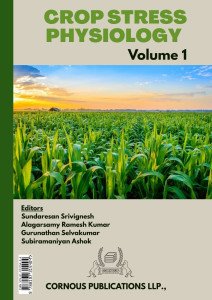
Book Title: Crop Stress Physiology (Volume 1)
PAID ACCESS | Published on : 13-Nov-2024 | Pages: 140-159 |
Decoding the Plant Responses to Bacterial Disease-Induced Stress
- Subramanian Manonmani
- Department of Horticulture, School of Life Sciences, Central University of Tamil Nadu, Thiruvarur, Tamil Nadu, India.
- Subramanian Manivannan
- Department of Horticulture, School of Life Sciences, Central University of Tamil Nadu, Thiruvarur, Tamil Nadu, India.
- Sundaresan Srivignesh
- Department of Horticulture, School of Life Sciences, Central University of Tamil Nadu, Thiruvarur, Tamil Nadu, India.
Abstract
Bacterial diseases cause severe biotic stress on plants, disrupt normal plant functioning, and limit plant growth and yield potential. In nature, plants and bacteria coexist in dynamic interactions. Still, for the successful development of the disease, three factors, such as the pathogenicity potential of the pathogen, the vulnerable nature of the host, and conducive environmental conditions, are needed. Once the disease is established, it causes biotic stress to plants, triggering a continuous battle between bacterial virulence and plant defense responses. Bacterial pathogens employ various virulence strategies to colonize and establish disease in plants. In turn, plants activate a multi-layered defense ranging from physical barriers and stomatal regulation to a molecular signaling cascade in response to pathogen invasion. Hence, this chapter deepens understanding of molecular signaling, immune responses, and physiological and systemic processes underlying plant defense under bacterial stress.
Keywords
Bacterial stress, Stomatal closure, Plant innate immunity
References
Ade, J., & Innes, R. W. (2007). Resistance to bacterial pathogens in plants. Encyclopedia of Life Sciences, 1–6.
Arruda, R. L., Paz, A. T. S., Bara, M. T. F., Côrtes, M. V. C. B., Filippi, M. C. C., & Conceição, E. C. (2016). An approach on phytoalexins: Function, characterization and biosynthesis in plants of the family Poaceae. Ciência Rural, 46, 1206–1216. https://doi.org/10.1590/0103-8478cr20151164
Asthir, B., Koundal, A., Bains, N. S., & Mann, S. K. (2010). Stimulation of antioxidative enzymes and polyamines during stripe rust disease of wheat. Biologia Plantarum, 54, 329–333. https://doi.org/10.1007/s10535-010-0057-4
Beck, M., Wyrsch, I., Strutt, J., Wimalasekera, R., Webb, A., Boller, T., & Robatzek, S. (2014). Expression patterns of FLAGELLIN SENSING 2 map to bacterial entry sites in plant shoots and roots. Journal of Experimental Botany, 65, 6487–6498. https://doi.org/10.1093/jxb/eru366
Bender, C. L., Alarcón-Chaidez, F., & Gross, D. C. (1999). Pseudomonas syringae phytotoxins: Mode of action, regulation, and biosynthesis by peptide and polyketide synthetases. Microbiology and Molecular Biology Reviews, 63, 266–292. https://doi.org/10.1128/MMBR.63.2.266-292.1999
Bendix, C., & Lewis, J. D. (2018). The enemy within: Phloem-limited pathogens. Molecular Plant Pathology, 19, 238–254. https://doi.org/10.1111/mpp.12526
Berger, S., Papadopoulos, M., Schreiber, U., Kaiser, W., & Roitsch, T. (2004). Complex regulation of gene expression, photosynthesis and sugar levels by pathogen infection in tomato. Physiologia Plantarum, 122, 419–428. https://doi.org/10.1111/j.1399-3054.2004.00433.x
Bertamini, M., Grando, M. S., & Nedunchezhian, N. (2003). Effects of phytoplasma infection on pigments, chlorophyll-protein complex, and photosynthetic activities in field-grown apple leaves. Biologia Plantarum, 47, 237–242.
Bilgin, D. D., Zavala, J. A., Zhu, J., Clough, S. J., Ort, D. R., & DeLucia, E. H. (2010). Biotic stress globally downregulates photosynthesis genes. Plant, Cell & Environment, 33, 1597–1613. https://doi.org/10.1111/j.1365-3040.2010.02167.x
Boller, T., & Felix, G. (2009). A renaissance of elicitors: Perception of microbe-associated molecular patterns and danger signals by pattern-recognition receptors. Annual Review of Plant Biology, 60, 379–406.https://doi.org/10.1146/annurev.arplant.57.032905.105346
Bolton, M. D. (2009). Primary metabolism and plant defense–Fuel for the fire. Molecular Plant-Microbe Interactions, 22, 487–497. https://doi.org/10.1094/MPMI-22-5-0487
Bové, J. M., & Garnier, M. (2003). Phloem- and xylem-restricted plant pathogenic bacteria. Plant Science, 164, 423–438.
Braun, E., & Rodrigues, C. J. P. (1993). Purification and properties of an endoxylanase from a corn stalk rot strain of Erwinia chrysanthemi. Phytopathology, 83, 332–338.
Cheaib, A., & Killiny, N. (2025). Photosynthesis responses to the infection with plant pathogens. Molecular Plant-Microbe Interactions, 38, 9–29.
Chen, L.-Q., Hou, B.-H., Lalonde, S., Takanaga, H., Hartung, M. L., Qu, X.-Q., Guo, W.-J., Kim, J.-G., Underwood, W., & Chaudhuri, B. (2010). Sugar transporters for intercellular exchange and nutrition of pathogens. Nature, 468, 527–532.
Cheng, D.-D., Zhang, Z.-S., Sun, X.-B., Zhao, M., Sun, G.-Y., & Chow, W. S. (2016). Photoinhibition and photoinhibition-like damage to the photosynthetic apparatus in tobacco leaves induced by Pseudomonas syringae pv. tabaci under light and dark conditions. BMC Plant Biology, 16, 29. https://doi.org/10.1186/s12870-016-0723-6
Collmer, A., Schneider, D. J., & Lindeberg, M. (2009). Lifestyles of the effector rich: Genome-enabled characterization of bacterial plant pathogens. Plant Physiology, 150, 1623–1630. https://doi.org/10.1104/pp.109.140327
Dangl, J. L., & Jones, J. D. G. (2001). Plant pathogens and integrated defence responses to infection. Nature, 411, 826–833. https://doi.org/10.1038/35081161
Das, K., & Roychoudhury, A. (2014). Reactive oxygen species (ROS) and response of antioxidants as ROS-scavengers during environmental stress in plants. Frontiers in Environmental Science, 2, 53.
Davidsson, P. R., Kariola, T., Niemi, O., & Palva, E. T. (2013). Pathogenicity of and plant immunity to soft rot pectobacteria. Frontiers in Plant Science, 4, 191.
de Torres Zabala, M., Littlejohn, G., Jayaraman, S., Studholme, D., Bailey, T., Lawson, T., Tillich, M., Licht, D., Bölter, B., Delfino, L., et al. (2015). Chloroplasts play a central role in plant defence and are targeted by pathogen effectors. Nature Plants, 1, 15074. https://doi.org/10.1038/nplants.2015.74
de Torres-Zabala, M., Truman, W., Bennett, M. H., Lafforgue, G., Mansfield, J. W., Rodriguez Egea, P., Bögre, L., & Grant, M. (2007). Pseudomonas syringae pv. tomato hijacks the Arabidopsis abscisic acid signalling pathway to cause disease. The EMBO Journal, 26, 1434–1443.
Di Meo, S., Reed, T. T., Venditti, P., & Victor, V. M. (2016). Harmful and beneficial role of ROS. Oxidative Medicine and Cellular Longevity, 2016, 7909186.
Dillon, M. M., Almeida, R. N. D., Laflamme, B., Martel, A., Weir, B. S., Desveaux, D., & Guttman, D. S. (2019). Molecular evolution of Pseudomonas syringae type III secreted effector proteins. Frontiers in Plant Science, 10, 418.
Dodds, P. N., & Rathjen, J. P. (2010). Plant immunity: Towards an integrated view of plant–pathogen interactions. Nature Reviews Genetics, 11, 539–548. https://doi.org/10.1038/nrg2812
Eisenhut, M., Bräutigam, A., Timm, S., Florian, A., Tohge, T., Fernie, A. R., Bauwe, H., & Weber, A. P. (2017). Photorespiration is crucial for dynamic response of photosynthetic metabolism and stomatal movement to altered CO₂ availability. Molecular Plant, 10, 47–61.
Ekengren, S. K., Liu, Y., Schiff, M., Dinesh-Kumar, S. P., & Martin, G. B. (2003). Two MAPK cascades, NPR1, and TGA transcription factors play a role in Pto-mediated disease resistance in tomato. The Plant Journal, 36, 905–917.
El-Sharkawy, H. H., Rashad, Y. M., & Ibrahim, S. A. (2018). Biocontrol of stem rust disease of wheat using arbuscular mycorrhizal fungi and Trichoderma spp. Physiological and Molecular Plant Pathology, 103, 84–91.
Fan, L.-M., Zhao, Z., & Assmann, S. M. (2004). Guard cells: A dynamic signaling model. Current Opinion in Plant Biology, 7, 537–546.
Fanton, A. C., Furze, M. E., & Brodersen, C. R. (2022). Pathogen-induced hydraulic decline limits photosynthesis and starch storage in grapevines (Vitis sp.). Plant, Cell & Environment, 45, 1829–1842.
Feng, F., & Zhou, J.-M. (2012). Plant–bacterial pathogen interactions mediated by type III effectors. Current Opinion in Plant Biology, 15, 469–476.
Fernandez, J. C., & Burch-Smith, T. M. (2019). Chloroplasts as mediators of plant biotic interactions over short and long distances. Current Opinion in Plant Biology, 50, 148–155.
Feys, B. J., Benedetti, C. E., Penfold, C. N., & Turner, J. G. (1994). Arabidopsis mutants selected for resistance to the phytotoxin coronatine are male sterile, insensitive to methyl jasmonate, and resistant to a bacterial pathogen. The Plant Cell, 6, 751–759.
Fonseca, S., Chico, J. M., & Solano, R. (2009). The jasmonate pathway: The ligand, the receptor and the core signalling module. Current Opinion in Plant Biology, 12, 539–547.
Galili, G., Tang, G., Zhu, X., & Gakière, B. (2001). Lysine catabolism: A stress and development super-regulated metabolic pathway. Current Opinion in Plant Biology, 4, 261–266.
Galon, Y., Finkler, A., & Fromm, H. (2010). Calcium-regulated transcription in plants. Molecular Plant, 3, 653–669.
Garcia-Brugger, A., Lamotte, O., Vandelle, E., Bourque, S., Lecourieux, D., Poinssot, B., Wendehenne, D., & Pugin, A. (2006). Early signaling events induced by elicitors of plant defenses. Molecular Plant-Microbe Interactions, 19, 711–724.
García-Montelongo, A. M., Montoya-Martínez, A. C., Morales-Sandoval, P. H., Parra-Cota, F. I., & de los Santos-Villalobos, S. (2023). Beneficial microorganisms as a sustainable alternative for mitigating biotic stresses in crops. Sustainability, 3, 210–228.
Gill, M. B., Zeng, F., Shabala, L., Zhang, G., Yu, M., Demidchik, V., Shabala, S., & Zhou, M. (2019). Identification of QTL related to ROS formation under hypoxia and their association with waterlogging and salt tolerance in barley. International Journal of Molecular Sciences, 20, 699.
Hirano, S. S., & Upper, C. D. (2000). Bacteria in the leaf ecosystem with emphasis on Pseudomonas syringae–A pathogen, ice nucleus, and epiphyte. Microbiology and Molecular Biology Reviews, 64, 624–653.
Hosy, E., Vavasseur, A., Mouline, K., Dreyer, I., Gaymard, F., Poree, F., Boucherez, J., Lebaudy, A., Bouchez, D., Very, A. A., et al. (2003). The Arabidopsis outward K⁺ channel GORK is involved in the regulation of stomatal movements and plant transpiration. Proceedings of the National Academy of Sciences of the United States of America, 100, 5549–5554.
Huang, J.-S. (1986). Ultrastructure of bacterial penetration in plants. Annual Review of Phytopathology, 24, 141–157.
Hupp, S., Rosenkranz, M., Bonfig, K., Pandey, C., & Roitsch, T. (2019). Non-invasive phenotyping of plant-pathogen interaction: Consecutive in situ imaging of fluorescing Pseudomonas syringae, plant phenolic fluorescence, and chlorophyll fluorescence in Arabidopsis leaves. Frontiers in Plant Science, 10, 1239.
Jander, G., & Joshi, V. (2010). Recent progress in deciphering the biosynthesis of aspartate-derived amino acids in plants. Molecular Plant, 3, 54–65.
Jelenska, J., Yao, N., Vinatzer, B. A., Wright, C. M., Brodsky, J. L., & Greenberg, J. T. (2007). A J domain virulence effector of Pseudomonas syringae remodels host chloroplasts and suppresses defenses. Current Biology, 17, 499–508.
Jones, J. D. G., & Dangl, J. L. (2006). The plant immune system. Nature, 444, 323–329.
Kangasjärvi, S., Neukermans, J., Li, S., Aro, E.-M., & Noctor, G. (2012). Photosynthesis, photorespiration, and light signalling in defence responses. Journal of Experimental Botany, 63, 1619–1636.
Katoh, A., Uenohara, K., Akita, M., & Hashimoto, T. (2006). Early steps in the biosynthesis of NAD in Arabidopsis start with aspartate and occur in the plastid. Plant Physiology, 141, 851–857.
Kaur, S., Samota, M. K., Choudhary, M., Choudhary, M., Pandey, A. K., Sharma, A., & Thakur, J. (2022). How do plants defend themselves against pathogens–Biochemical mechanisms and genetic interventions. Physiology and Molecular Biology of Plants, 28, 485–504.
Kiselev, K., Dubrovina, A., Veselova, M., Bulgakov, V., & Fedoreyev, S. (2007). The rolB gene-induced overproduction of resveratrol in Vitis amurensis transformed cells. Journal of Biotechnology, 128, 681–692.
Koda, Y., Takahashi, K., Kikuta, Y., Greulich, F., Toshima, H., & Ichihara, A. (1996). Similarities of the biological activities of coronatine and coronafacic acid to those of jasmonic acid. Phytochemistry, 41, 93–96.
Lamb, C. J., Lawton, M. A., Dron, M., & Dixon, R. A. (1989). Signals and transduction mechanisms for activation of plant defenses against microbial attack. Cell, 56, 215–224.
Li, G., Froehlich, J. E., Elowsky, C., Msanne, J., Ostosh, A. C., Zhang, C., Awada, T., & Alfano, J. R. (2014). Distinct Pseudomonas type-III effectors use a cleavable transit peptide to target chloroplasts. The Plant Journal, 77, 310–321.
Lindeberg, M., Cunnac, S., & Collmer, A. (2012). Pseudomonas syringae type III effector repertoires: Last words in endless arguments. Trends in Microbiology, 20, 199–208. https://doi.org/10.1016/j.tim.2012.01.003
Lindow, S. E., & Brandl, M. T. (2003). Microbiology of the phyllosphere. Applied and Environmental Microbiology, 69, 1875–1883.
Lu, Y., & Yao, J. (2018). Chloroplasts at the crossroad of photosynthesis, pathogen infection and plant defense. International Journal of Molecular Sciences, 19.
Macho, A. P., Boutrot, F., Rathjen, J. P., & Zipfel, C. (2012). Aspartate oxidase plays an important role in Arabidopsis stomatal immunity. The Plant Journal, 69, 1845–1856.
Manna, M., Rengasamy, B., & Sinha, A. K. (2023). Revisiting the role of MAPK signalling pathway in plants and its manipulation for crop improvement. Plant, Cell & Environment, 46, 2277–2295.
Melech-Bonfil, S., & Sessa, G. (2010). Tomato MAPKKKε is a positive regulator of cell-death signaling networks associated with plant immunity. The Plant Journal, 64, 379–391.
Melotto, M., Underwood, W., Koczan, J., Nomura, K., & He, S. Y. (2006). Plant stomata function in innate immunity against bacterial invasion. Cell, 126, 969–980.
Meng, X., & Zhang, S. (2013). MAPK cascades in plant disease resistance signaling. Annual Review of Phytopathology, 51, 245–266.
Mishina, T. E., & Zeier, J. (2006). The Arabidopsis flavin-dependent monooxygenase FMO1 is an essential component of biologically induced systemic acquired resistance. Plant Physiology, 141, 1666–1675.
Mittler, R. (2017). ROS are good. Trends in Plant Science, 22, 11–19.
Møller, I. M., Jensen, P. E., & Hansson, A. (2007). Oxidative modifications to cellular components in plants. Annual Review of Plant Biology, 58, 459–481.
Munemasa, S., Oda, K., Watanabe-Sugimoto, M., Nakamura, Y., Shimoishi, Y., & Murata, Y. (2007). The coronatine-insensitive 1 mutation reveals the hormonal signaling interaction between abscisic acid and methyl jasmonate in Arabidopsis guard cells: Specific impairment of ion channel activation and second messenger production. Plant Physiology, 143, 1398–1407.
Mur, L. A. J., Aubry, S., Mondhe, M., Kingston-Smith, A., Gallagher, J., Timms-Taravella, E., James, C., Papp, I., Hörtensteiner, S., & Thomas, H. (2010). Accumulation of chlorophyll catabolites photosensitizes the hypersensitive response elicited by Pseudomonas syringae in Arabidopsis. New Phytologist, 188, 161–174.
Mustilli, A. C., Merlot, S., Vavasseur, A., Fenzi, F., & Giraudat, J. (2002). Arabidopsis OST1 protein kinase mediates the regulation of stomatal aperture by abscisic acid and acts upstream of reactive oxygen species production. The Plant Cell, 14, 3089–3099.
Navarova, H., Bernsdorff, F., Döring, A.-C., & Zeier, J. (2012). Pipecolic acid, an endogenous mediator of defense amplification and priming, is a critical regulator of inducible plant immunity. The Plant Cell, 24, 5123–5141.
Nazarov, P. A., Baleev, D. N., Ivanova, M. I., Sokolova, L. M., & Karakozova, M. V. (2020). Infectious plant diseases: Etiology, current status, problems and prospects in plant protection. Acta Naturae, 12, 46.
Nishimura, M. T., & Dangl, J. L. (2010). Arabidopsis and the plant immune system. The Plant Journal, 61, 1053–1066.
Noctor, G., Queval, G., & Gakière, B. (2006). NAD(P) synthesis and pyridine nucleotide cycling in plants and their potential importance in stress conditions. Journal of Experimental Botany, 57, 1603–1620.
Oh, C.-S., & Martin, G. B. (2011). Effector-triggered immunity mediated by the Pto kinase. Trends in Plant Science, 16, 132–140.
Palmgren, M. G. (1998). Proton gradients and plant growth: Role of the plasma membrane H⁺-ATPase. In Advances in Botanical Research. Academic Press.
Paulin, M. M., Novinscak, A., Lanteigne, C., Gadkar, V. J., & Filion, M. (2017). Interaction between 2,4-diacetylphloroglucinol- and hydrogen cyanide-producing Pseudomonas brassicacearum LBUM300 and Clavibacter michiganensis subsp. michiganensis in the tomato rhizosphere. Applied and Environmental Microbiology, 83.
Petrov, V., Hille, J., Mueller-Roeber, B., & Gechev, T. S. (2015). ROS-mediated abiotic stress-induced programmed cell death in plants. Frontiers in Plant Science, 6, 69.
Pitzschke, A., Schikora, A., & Hirt, H. (2009). MAPK cascade signalling networks in plant defence. Current Opinion in Plant Biology, 12, 421–426.
Ponmurugan, P., & Baby, U. (2007). Morphological, physiological and biochemical changes in resistant and susceptible cultivars of tea in relation to Phomopsis disease. Plant Pathology Journal, 6, 91–94.
Potnis, N., Timilsina, S., Strayer, A., Shantharaj, D., Barak, J. D., Paret, M. L., Vallad, G. E., & Jones, J. B. (2015). Bacterial spot of tomato and pepper: Diverse Xanthomonas species with a wide variety of virulence factors posing a worldwide challenge. Molecular Plant Pathology, 16, 907–920.
Rodríguez-Herva, J. J., González-Melendi, P., Cuartas-Lanza, R., Antúnez-Lamas, M., Río-Alvarez, I., Li, Z., López-Torrejón, G., Díaz, I., Del Pozo, J. C., & Chakravarthy, S. (2012). A bacterial cysteine protease effector protein interferes with photosynthesis to suppress plant innate immune responses. Molecular Microbiology, 84, 669–681.
Rojas, C. M., Senthil-Kumar, M., Tzin, V., & Mysore, K. S. (2014). Regulation of primary plant metabolism during plant-pathogen interactions and its contribution to plant defense. Frontiers in Plant Science, 5, 17.
Ryan, R. P., Vorhölter, F.-J., Potnis, N., Jones, J. B., Van Sluys, M.-A., Bogdanove, A. J., & Dow, J. M. (2011). Pathogenomics of Xanthomonas: Understanding bacterium–plant interactions. Nature Reviews Microbiology, 9, 344–355.
Sakamura, S., Ichihara, A., Shiraishi, K., Sato, H., Nishiyama, K., Sakai, R., Furusaki, A., & Matsumoto, T. (1977). The structure of coronatine. Journal of the American Chemical Society, 99, 636–637.
Sánchez, G., Mercado, E. C., Peña, E. B., de la Cruz, H. R., & Pineda, E. G. (2010). El ácido salicílico y su participación en la resistencia a patógenos en plantas. Bioquímica, 12, 90–95.
Savary, S., Willocquet, L., Pethybridge, S. J., Esker, P., McRoberts, N., & Nelson, A. (2019). The global burden of pathogens and pests on major food crops. Nature Ecology & Evolution, 3, 430–439.
Schroeder, J. I., Allen, G. J., Hugouvieux, V., Kwak, J. M., & Waner, D. (2001). Guard cell signal transduction. Annual Review of Plant Biology, 52, 627–658.
Schwessinger, B., & Ronald, P. C. (2012). Plant innate immunity: Perception of conserved microbial signatures. Annual Review of Plant Biology, 63, 451–482.
Serrano, I., Audran, C., & Rivas, S. (2016). Chloroplasts at work during plant innate immunity. Journal of Experimental Botany, 67, 3845–3854.
Sharma, P., Jha, A. B., Dubey, R. S., & Pessarakli, M. (2012). Reactive oxygen species, oxidative damage, and antioxidative defense mechanism in plants under stressful conditions. Journal of Botany, 2012, 217037.
Silva, M. S., Arraes, F. B. M., de Araújo Campos, M., Grossi-de-Sá, M., Fernandez, D., de Souza Cândido, E., Cardoso, M. H., Franco, O. L., & Grossi-de-Sá, M. F. (2018). Potential biotechnological assets related to plant immunity modulation applicable in engineering disease-resistant crops. Phytochemistry, 270, 72–84.
Silveira, P., Nascimento, K., Andrade, C., Bispo, W., Oliveira, J., & Rodrigues, F. (2015). Physiological changes in tomato leaves arising from Xanthomonas gardneri infection. Molecular Plant Pathology, 92, 130–138.
Spoel, S. H., & Dong, X. (2012). How do plants achieve immunity? Defence without specialized immune cells. Nature Reviews Immunology, 12, 89–100.
Stepansky, A., Yao, Y., Tang, G., & Galili, G. (2005). Regulation of lysine catabolism in Arabidopsis through concertedly regulated synthesis of the two distinct gene products of the composite AtLKR/SDH locus. Journal of Experimental Botany, 56, 525–536.
Su, J., Yang, L., Zhu, Q., Wu, H., He, Y., Liu, Y., Xu, J., Jiang, D., & Zhang, S. (2018). Active photosynthetic inhibition mediated by MPK3/MPK6 is critical to effector-triggered immunity. PLoS Biology, 16, e2004122.
Suhita, D., Raghavendra, A. S., Kwak, J. M., & Vavasseur, A. (2004). Cytoplasmic alkalization precedes reactive oxygen species production during methyl jasmonate- and abscisic acid-induced stomatal closure. Plant Physiology, 134, 1536–1545.
Ton, J., Flors, V., & Mauch-Mani, B. (2009). The multifaceted role of ABA in disease resistance. Trends in Plant Science, 14, 310–317.
Toum, L., Torres, P. S., Gallego, S. M., Benavídes, M. P., Vojnov, A. A., & Gudesblat, G. E. (2016). Coronatine inhibits stomatal closure through guard cell-specific inhibition of NADPH oxidase-dependent ROS production. Frontiers in Plant Science, 7, 1851.
Tsuda, K., & Katagiri, F. (2010). Comparing signaling mechanisms engaged in pattern-triggered and effector-triggered immunity. Current Opinion in Plant Biology, 13, 459–465.
Tsuda, K., Sato, M., Stoddard, T., Glazebrook, J., & Katagiri, F. (2009). Network properties of robust immunity in plants. PLoS Genetics, 5, e1000772.
Velasquez, A. C., Castroverde, C. D. M., & He, S. Y. (2018). Plant-pathogen warfare under changing climate conditions. Current Biology, 28, R619–R634.
Velásquez, A. C., Oney, M., Huot, B., Xu, S., & He, S. Y. (2017). Diverse mechanisms of resistance to Pseudomonas syringae in a thousand natural accessions of Arabidopsis thaliana. New Phytologist, 214, 1673–1687.
Vitali, M., Chitarra, W., Galetto, L., Bosco, D., Marzachi, C., Gullino, M. L., Spanna, F., & Lovisolo, C. (2013). Flavescence dorée phytoplasma deregulates stomatal control of photosynthesis in Vitis vinifera. Annals of Applied Biology, 162, 335–346.
Walley, J. W., & Dehesh, K. (2010). Molecular mechanisms regulating rapid stress signaling networks in Arabidopsis. Journal of Integrative Plant Biology, 52, 354–359.
Wong, H. L., & Shimamoto, K. (2009). Sending ROS on a bullet train. Science Signaling, 2, pe60.
Xie, Y., Hou, W., Song, X., Yu, Y., Huang, J., Sun, X., Kang, R., & Tang, D. (2016). Ferroptosis: Process and function. Cell Death & Differentiation, 23, 369–379.
Xin, X.-F., Kvitko, B., & He, S. Y. (2018). Pseudomonas syringae: What it takes to be a pathogen. Nature Reviews Microbiology, 16, 316–328. https://doi.org/10.1038/nrmicro.2018.17
Yan, L., & Khan, R. A. A. (2021). Biological control of bacterial wilt in tomato through the metabolites produced by the biocontrol fungus, Trichoderma harzianum. Egyptian Journal of Biological Pest Control, 31, 5.
Zhang, S., & Klessig, D. F. (2001). MAPK cascades in plant defense signaling. Trends in Plant Science, 6, 520–527.
Zhao, Y., Thilmony, R., Bender, C. L., Schaller, A., He, S. Y., & Howe, G. A. (2003). Virulence systems of Pseudomonas syringae pv. tomato promote bacterial speck disease in tomato by targeting the jasmonate signaling pathway. The Plant Journal, 36, 485–499.
Zhao, Y., Tian, Y., Wang, L., Geng, G., Zhao, W., Hu, B., & Zhao, Y. (2019). Fire blight disease, a fast-approaching threat to apple and pear production in China. Journal of Integrative Agriculture, 18, 815–820.
Indexing In




Types of Books We Publish




Uniqueness of our Publication

DOI Assignment

ISBN Registration

Online Publication

High Visibility

Open & Closed Access
DOI Assignment
ISBN Registration
Online Publication
High Visibility